
21 September 2026
Common Sofa Stains and How to Approach Them
A quick-reference guide to the most common marks we see, and the general approach for each.
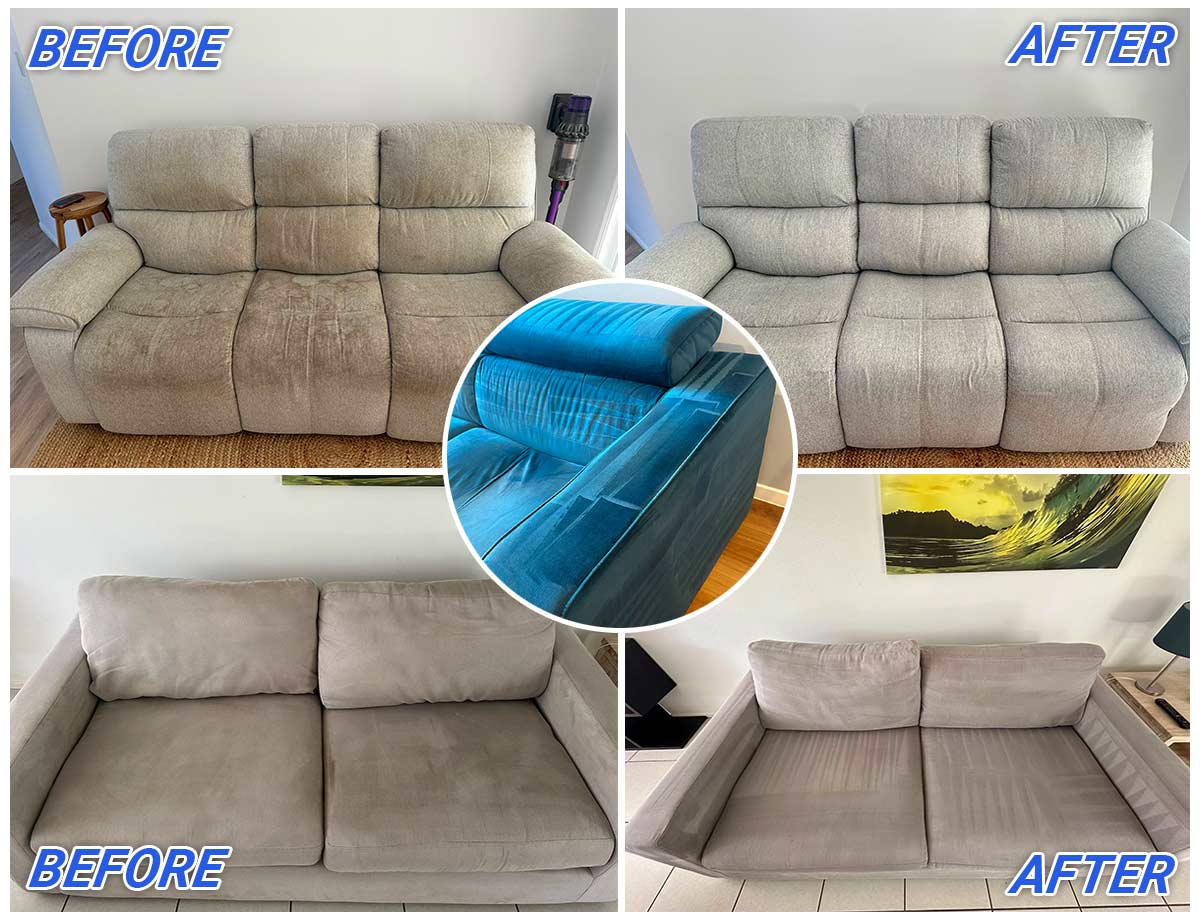
A few ground rules apply to almost any stain: act quickly, blot rather than rub, test any solution on a hidden spot first, and don't oversaturate the fabric.
Coffee and tea
Blot up excess liquid, then work a mild dish soap and cool water mix into the mark with a clean cloth, blotting until it lifts.
Red wine
Blot the excess, then sprinkle salt or baking soda over the mark and let it sit before vacuuming and blotting with cool water.
Grease and oil
Sprinkle baking soda or cornstarch over a fresh mark, leave for 15–30 minutes to absorb, then vacuum.
Pet urine
Blot up as much as possible and use an enzymatic cleaner made for pet stains. Avoid steam or hot water on it directly — heat can set the proteins in.
Blood
Cold water only — hot water sets the protein in blood and can make the stain permanent.
By fabric type
| Fabric | General approach |
|---|---|
| Cotton | Water-based solutions generally fine; avoid oversoaking |
| Microfibre | Alcohol-based cleaners tend to work better than water |
| Velvet | Avoid water-based cleaners where possible; professional cleaning is safer |
| Wool | Wool-safe cleaners only, no heat or heavy agitation |
When it's worth calling us instead
Large or deep-set marks, delicate fabrics, or urine that's reached the cushion foam are all cases where a proper inspection beats another round of DIY. No cleaning method removes every stain, and we'd rather be upfront about that than overpromise.
More from the blog
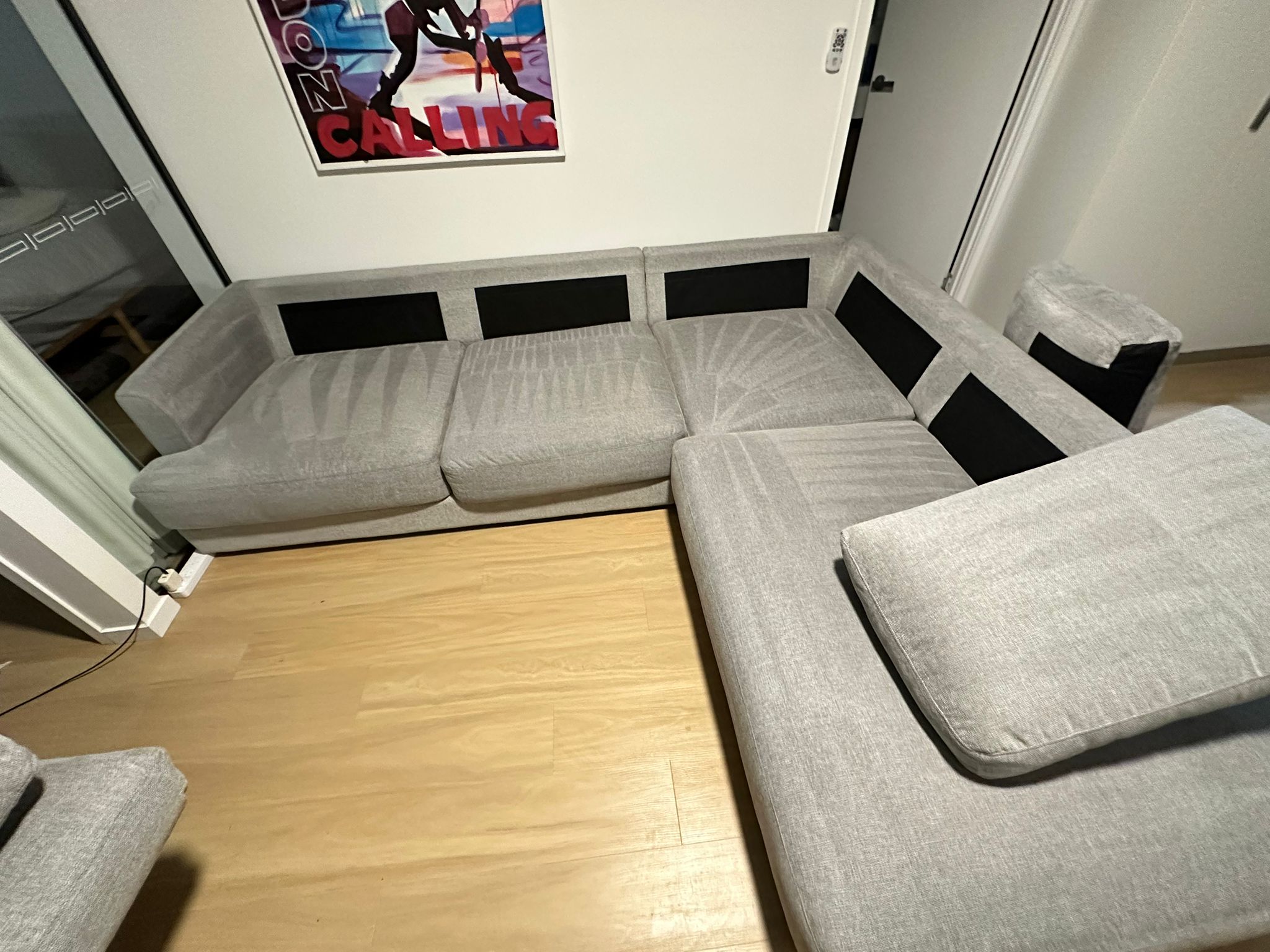
DIY vs Professional Couch Cleaning: How to Decide
Both have their place. Here's how they actually compare, so you can pick the right one for the job.
Read more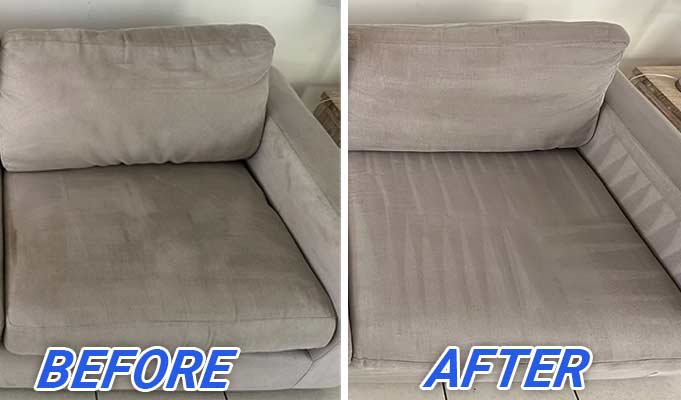
Can Couch Cleaning Remove Pet Odours?
Usually — but it depends on how fresh the accident was, the fabric, and how far it soaked in. Here's what actually happens.
Read moreFrequently asked questions
Common questions about common sofa stains and how to approach them.
Will the stain come out completely?
We can't promise a specific result. What comes out depends on the fabric, how old the stain is, its condition, and any prior treatment. We'll give you an honest assessment before starting.
How do you decide which cleaning method to use?
We inspect the fabric and check the manufacturer's care code (W, S, WS or X) where one exists, then choose a method suited to that fabric — hot-water extraction, steam cleaning, low-moisture cleaning or a solvent-based approach.
Is steam cleaning the same as hot-water extraction?
Not exactly. Steam cleaning uses steam vapour, while hot-water extraction applies a solution and water then extracts it back out with the soil. Both are used across our services depending on the fabric.
Do you clean leather?
Yes. Leather is cleaned and, where suitable, conditioned using products matched to the leather finish rather than fabric cleaning products.