
22 September 2026
DIY vs Professional Couch Cleaning: How to Decide
Both have their place. Here's how they actually compare, so you can pick the right one for the job.
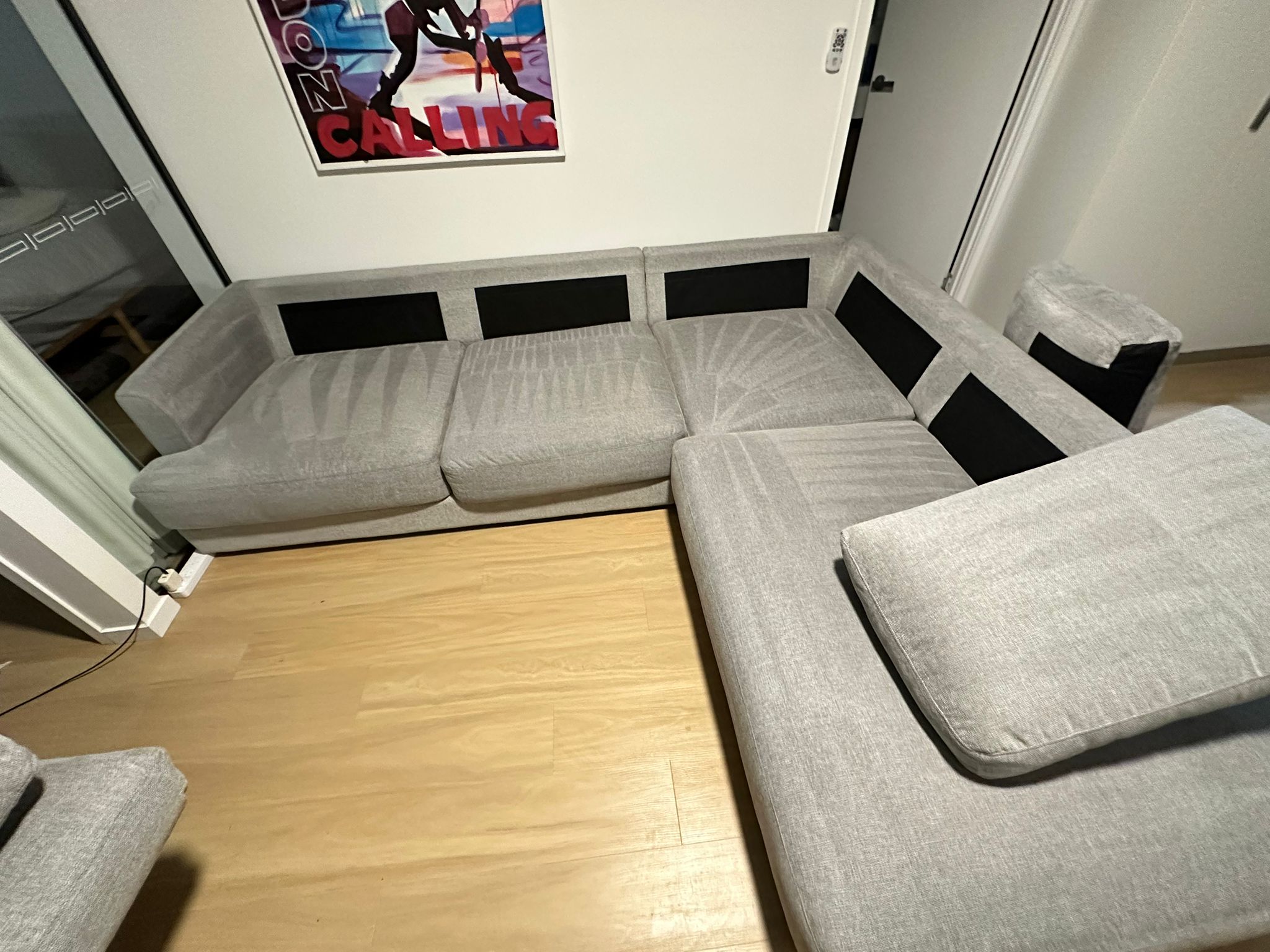
A rental machine and a bottle of upholstery cleaner can handle a lot of everyday maintenance. Some jobs, though, are better suited to a proper clean. Here's how the two actually compare.
Equipment
Home and rental machines have smaller motors and less suction than the equipment used for a professional-grade clean, which generally extracts more moisture and dirt and dries faster as a result.
Drying time
DIY cleaning often leaves more moisture behind, which can mean 12–24 hours or more to fully dry — and a higher risk of mildew if it doesn't dry through properly.
When DIY makes sense
- Light, regular upkeep between deeper cleans
- Durable, water-safe (W or WS coded) fabric
- Fresh, minor marks
When it's worth booking a clean instead
- Heavier soiling or stains that have been sitting a while
- Pet odour or accidents
- Delicate or solvent-only (S or X coded) fabric
- You want a faster dry time
Common DIY mistakes worth avoiding
Overwetting the fabric, rubbing instead of blotting, skipping the test patch, and reaching for household products like bleach or ammonia are the most common ways a DIY clean goes wrong.
More from the blog
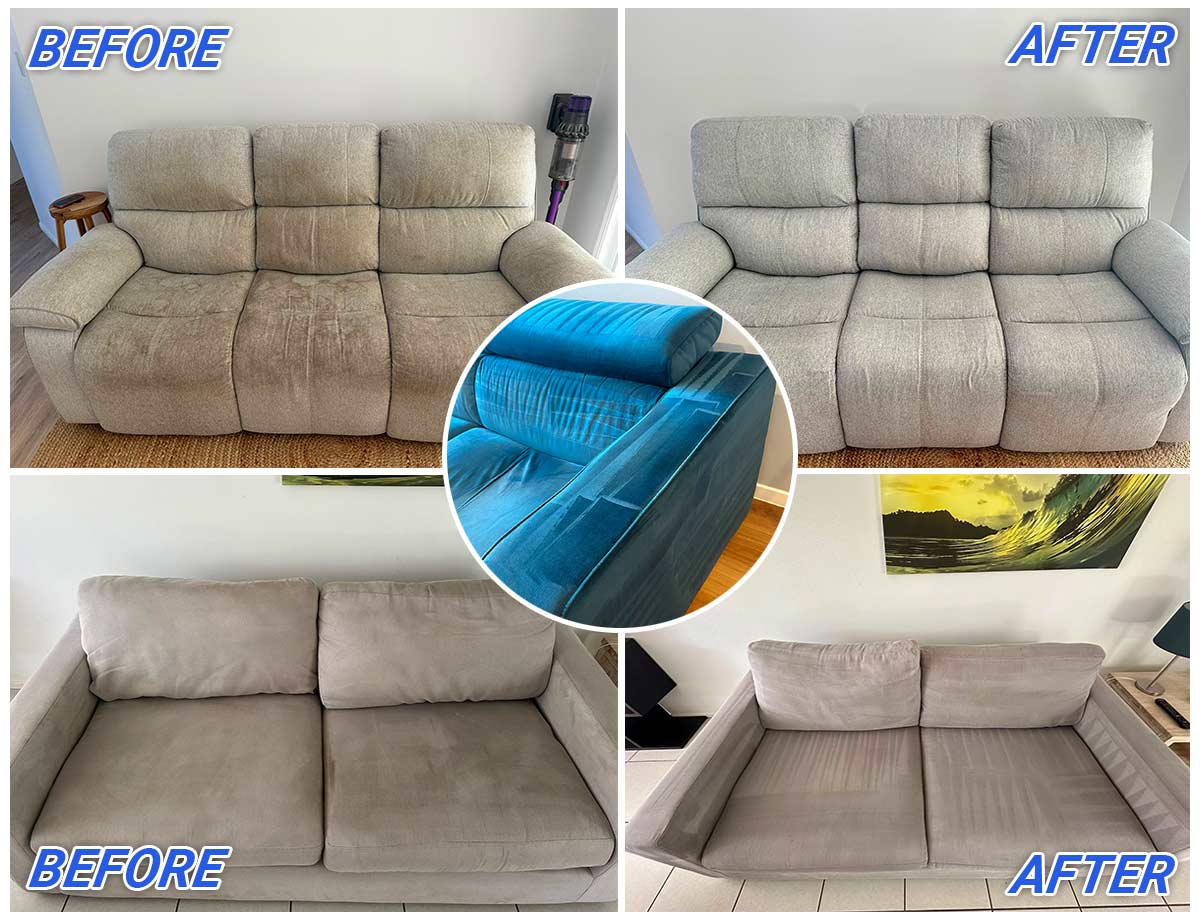
Common Sofa Stains and How to Approach Them
A quick-reference guide to the most common marks we see, and the general approach for each.
Read more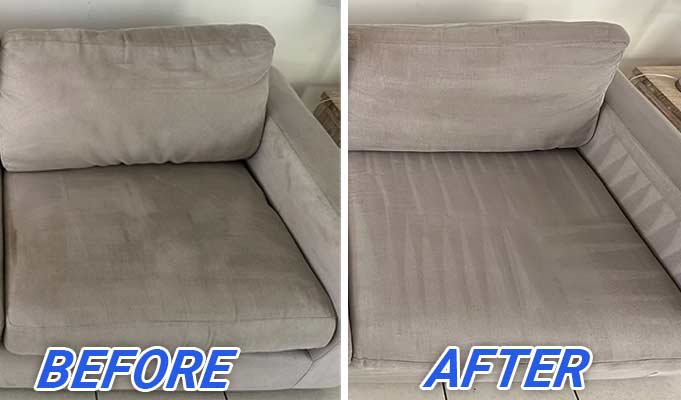
Can Couch Cleaning Remove Pet Odours?
Usually — but it depends on how fresh the accident was, the fabric, and how far it soaked in. Here's what actually happens.
Read moreFrequently asked questions
Common questions about diy vs professional couch cleaning: how to decide.
Will the stain come out completely?
We can't promise a specific result. What comes out depends on the fabric, how old the stain is, its condition, and any prior treatment. We'll give you an honest assessment before starting.
How do you decide which cleaning method to use?
We inspect the fabric and check the manufacturer's care code (W, S, WS or X) where one exists, then choose a method suited to that fabric — hot-water extraction, steam cleaning, low-moisture cleaning or a solvent-based approach.
Is steam cleaning the same as hot-water extraction?
Not exactly. Steam cleaning uses steam vapour, while hot-water extraction applies a solution and water then extracts it back out with the soil. Both are used across our services depending on the fabric.
Do you clean leather?
Yes. Leather is cleaned and, where suitable, conditioned using products matched to the leather finish rather than fabric cleaning products.