
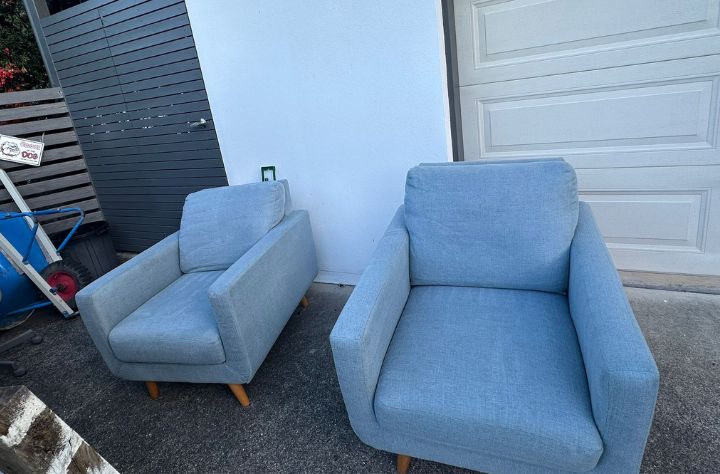
Stains on your sofa are inevitable, especially in a busy household. Food spills, pet accidents, ink marks, and tracked-in dirt all leave their mark. The key to successful stain removal is acting quickly and using the right approach for each type of stain.
This guide covers the most common types of sofa stains, how to treat them, and what to avoid.
General Stain Removal Rules
Before addressing specific stains, follow these universal guidelines.
Act quickly. The sooner you treat a stain, the easier it is to remove. Fresh stains have not had time to penetrate deep into the fibers.
Blot, do not rub. Rubbing pushes the stain deeper into the fabric and can damage the fibers. Always blot with a clean cloth, working from the outside of the stain toward the center.
Test first. Test any cleaning solution on a hidden area of the couch before applying it to the visible stain. This helps ensure the fabric will not discolor or react poorly.
Do not oversaturate. Using too much liquid can soak through to the cushion foam and cause mold or mildew. Use cleaning solutions sparingly.
Know your fabric code. Check the manufacturer's tag before using any cleaning product. Using the wrong method can permanently damage the fabric.
Food and Drink Stains
Coffee and Tea
Coffee and tea stains are tannin-based and can set quickly.
Fresh stain: Blot the excess liquid immediately. Mix a small amount of mild dish soap with cool water. Dip a clean cloth into the solution and blot the stain. Then blot with a dry cloth to absorb moisture. Repeat until the stain lifts.
Dried stain: Dampen the stain with cool water. Apply a drop of mild dish soap and gently work it in with your fingers. Blot with a damp cloth. Repeat as needed.
Red Wine
Red wine stains are noticeable and can be intimidating, but they respond well to prompt treatment.
Fresh stain: Blot the excess wine. Sprinkle salt or baking soda over the stain to absorb the liquid. Let it sit for a few minutes, then vacuum. Blot with a cloth dampened with cool water.
Alternative method: Mix one part white vinegar with two parts water. Blot the stain with this solution, then blot with water to remove any vinegar residue.
Grease and Oil
Grease stains from food, lotions, or hair products can be stubborn because oil repels water.
Fresh stain: Sprinkle baking soda or cornstarch onto the stain. Let it sit for 15 to 30 minutes to absorb the oil. Vacuum the powder. For remaining residue, apply a small amount of dish soap diluted in water and blot gently.
Dried stain: Apply a small amount of rubbing alcohol to a cloth (test first) and blot the stain. The alcohol helps dissolve the oil.
Chocolate
Chocolate stains contain both oil and pigment.
Fresh stain: Scrape off any excess chocolate with a dull knife or spoon. Blot with a cloth dampened with cool water and mild dish soap. For greasy residue, follow the oil stain method.
Pet Stains
Urine
Pet urine can be one of the most challenging stains because it penetrates deep into fabric and padding and has a strong odor.
Fresh stain: Blot as much liquid as possible. Apply an enzymatic cleaner specifically designed for pet urine. These cleaners break down the proteins in urine and neutralize odors. Follow the product instructions carefully.
Dried stain: Saturate the area with an enzymatic cleaner. Allow it to soak according to the product directions so the enzymes can break down the uric acid crystals. Blot or extract the liquid.
Important: Do not use steam cleaners or hot water on pet urine stains. Heat can set the proteins in urine, making the stain and odor permanent.
Vomit
Vomit stains contain stomach acid and partially digested food.
Fresh stain: Remove solid matter carefully. Blot the area with a cloth dampened with cool water and mild soap. Rinse by blotting with water. If odor remains, sprinkle baking soda over the area, let it sit, and vacuum.
Mud
Mud stains are common in homes with children and pets.
Allow mud to dry completely before attempting removal. Scraping or blotting wet mud pushes it deeper into the fabric. Once dry, vacuum the area to remove loose dirt. If a mark remains, blot with a cloth dampened with mild soapy water.
Ink and Dye Stains
Ballpoint Pen Ink
Ink stains require careful treatment because they spread easily.
Place a cloth under the fabric behind the stain to catch any ink that bleeds through. Apply rubbing alcohol to a cotton ball or cloth and blot the stain. Do not rub. Change the cloth underneath as needed. Rinse by blotting with water.
Marker and Felt-Tip Pen
Permanent markers are difficult to remove. For water-based markers, blot with rubbing alcohol. For permanent markers, results vary significantly depending on the fabric and how long the stain has been set. Professional treatment may be necessary.
Color Transfer (Dye Transfer)
Dye can transfer from new clothing, denim, or other colored items onto light-colored upholstery.
Blot with rubbing alcohol on a clean cloth. Rinse with water. If the stain persists, a professional cleaner can use specialized color-removal agents.
Biological Stains
Blood
Blood stains require cold water. Hot water sets the protein in blood and makes the stain permanent.
Blot the stain with a cloth dampened with cold water. If the stain persists, apply a small amount of hydrogen peroxide (test first on a hidden area) and blot. Rinse with cold water.
Sweat and Body Oils
These stains appear as darkening on armrests and headrest areas.
Mix mild dish soap with warm water. Blot the stained area with the solution. Rinse by blotting with water. For stubborn buildup, a professional cleaner can use degreasing agents.
Mildew and Mold
Mold stains appear as dark spots and may have a musty smell.
Clean the area with a solution of mild soap and water. Dry the area thoroughly using fans or a dehumidifier. If the stain or smell persists, the mold may have penetrated the cushion foam, which may require replacement.
Household Stains
Candle Wax
Wax spills harden as they cool, which makes them easier to remove.
Let the wax harden completely. Gently scrape off as much wax as possible using a dull knife or credit card. Place a brown paper bag or cloth over the remaining wax and apply a warm iron. The heat melts the wax, which the paper absorbs. Replace the paper as needed.
Paint
Water-based paint: Blot the stain with a cloth dampened with warm soapy water. Rinse with water.
Oil-based paint: Once dried, oil-based paint is very difficult to remove from fabric. Mineral spirits or turpentine may work but can damage some fabrics. Professional cleaning is recommended.
Stain Removal by Fabric Type
The approach that works on one fabric may damage another.
| Fabric Type | Recommended Stain Removal Approach |
|---|---|
| Cotton | Water-based solutions work well, but avoid excessive moisture |
| Polyester | Resists most stains, can handle mild cleaning solutions |
| Microfiber | Alcohol-based cleaners work well, avoid excess water |
| Linen | Delicate, blot only, professional cleaning recommended |
| Velvet | Avoid water-based cleaners, professional cleaning recommended |
| Wool | Use only wool-safe cleaners, avoid heat and agitation |
| Acrylic | Mild soap and water, avoid solvents |
What to Avoid
Bleach. Household bleach damages fabric fibers and causes discoloration. Even diluted bleach is risky for upholstery.
Ammonia-based cleaners. These can damage certain fabrics and react with previous cleaning residues.
Fabric softeners. These leave a coating on fibers that attracts dirt.
Steam cleaning on pet stains. Heat sets the proteins in urine and can make stains permanent.
Over-scrubbing. Aggressive scrubbing damages the fabric texture and can create a worn spot.
When to Call a Professional
Some stains require professional expertise and equipment.
Large or deep-set stains that do not respond to home treatment.
Stains on delicate or valuable fabrics.
Stains that have been treated with multiple products and have residue buildup.
Pet urine stains that have soaked into cushion foam.
Old, dried stains that have set over months or years.
Stains where you are unsure of the type or fabric compatibility.
How to Prevent Stains
Apply a fabric protector. Professional fabric protection treatments create a barrier that makes spills easier to clean.
Use removable covers. Washable slipcovers can be removed and laundered, protecting the underlying upholstery.
Establish rules. No eating or drinking on the couch, or restrict it to designated areas.
Keep blankets on hand. Throws can catch spills before they reach the fabric.
Treat stains immediately. The sooner you act, the less likely a stain will become permanent.
Frequently Asked Questions
Can all stains be removed from a sofa?
No cleaning method can guarantee complete stain removal. Results depend on the stain type, fabric, how long the stain has been present, and any previous treatments. Professional cleaning offers the best chance for difficult stains.
Why do some stains reappear after cleaning?
Residue from the stain or cleaning products can wick back to the surface as the fabric dries. This is more common with oil-based stains. A second cleaning may be needed.
Is it safe to use vinegar on upholstery?
White vinegar diluted with water can be safe for some fabrics, but it should be tested on a hidden area first. Vinegar is acidic and can damage certain fabrics or cause color changes.
Can I use carpet cleaner on my sofa?
Carpet cleaning products are formulated differently and may be too harsh for upholstery. Use products specifically designed for upholstery fabric.
How do I find out my sofa's fabric code?
The cleaning code is on the manufacturer's tag, usually attached to the frame under a cushion or on the bottom of the sofa. It will show W, S, WS, or X.
Conclusion
Stains are a normal part of owning a sofa. Knowing how to identify and treat common stains helps you address them quickly and effectively. The right approach can mean the difference between a stain that lifts out and one that becomes permanent.
Keep your treatment simple: blot, use the right solution for the stain type, and avoid harsh products or aggressive scrubbing. For difficult or valuable pieces, professional cleaning offers the best results. With prompt action and the right techniques, most common sofa stains can be successfully removed.