
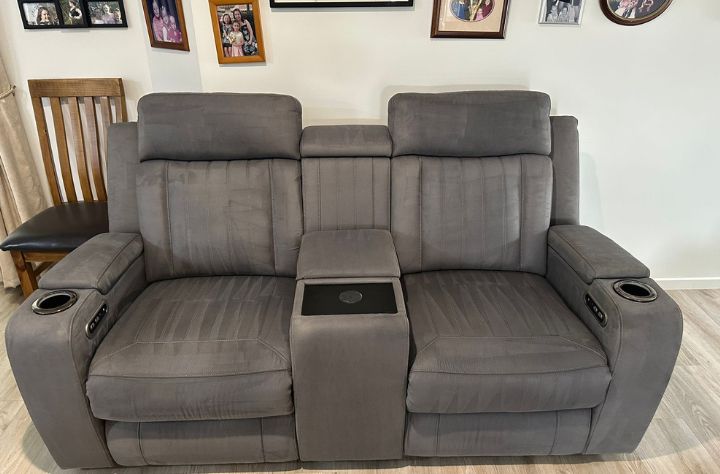
Steam cleaning is a popular method for deep cleaning upholstery. Many people wonder whether it is safe for their fabric sofa. The short answer is that steam cleaning can be safe and effective when done correctly with the right equipment and technique for your specific fabric.
This article explains the safety considerations, which fabrics can be steam cleaned, and what risks to watch for.
Understanding Steam Cleaning
Steam cleaning for upholstery typically refers to hot water extraction. The technician sprays hot water mixed with a cleaning solution onto the fabric. The solution loosens dirt, and a powerful vacuum extracts the dirty water.
The water temperature usually ranges from 150 to 200 degrees Fahrenheit. This heat helps dissolve greasy soils and can kill dust mites and some bacteria without damaging properly constructed upholstery.
Fabric Cleaning Codes
The safety of steam cleaning depends primarily on your fabric type. Most furniture has a tag with a cleaning code.
| Code | Meaning | Steam Cleaning Safe? |
|---|---|---|
| W | Water safe | Yes, steam cleaning is suitable |
| S | Solvent only | No, avoid water and steam |
| WS | Water or solvent safe | Yes, steam cleaning is suitable |
| X | Vacuum only | No, do not wet clean |
If your sofa tag is missing, a professional can test a hidden area to determine whether the fabric can withstand moisture.
Fabric Types and Steam Cleaning Safety
Different fabrics respond differently to moisture and heat.
| Fabric Type | Steam Cleaning Safety | Notes |
|---|---|---|
| Cotton | Generally safe | May shrink if overwet or heat is too high |
| Polyester | Safe | Durable, resists moisture damage |
| Microfiber | Safe | Dries quickly, cleans well with steam |
| Linen | Cautious | Natural fiber, may shrink or discolor |
| Velvet | Not recommended | Heat and moisture can damage the pile |
| Wool | Cautious | Can shrink or felt with heat and agitation |
| Silk | Not safe | Will be damaged by water and heat |
| Acrylic | Generally safe | Synthetic, handles moisture well |
| Rayon | Not recommended | Weak when wet, can shrink or distort |
When Steam Cleaning Is Safe
Steam cleaning is appropriate when:
- The fabric code is W or WS.
- The fabric is a durable synthetic or treated natural fiber.
- The sofa is in good condition with no existing damage.
- The cleaning is performed by a professional who adjusts the method to the fabric type.
- Proper drying conditions are available.
When Steam Cleaning Is Not Safe
Steam cleaning should be avoided when:
- The fabric code is S or X.
- The fabric is silk, rayon, or other delicate materials.
- The sofa has loose seams, frayed edges, or pre-existing damage.
- The cushion foam is exposed or the fabric is unlined.
- The sofa has water-sensitive trims or decorative elements.
Potential Risks of Steam Cleaning
Overwetting
The most common risk is applying too much water. If the fabric becomes saturated, moisture can soak into the cushion foam. This creates conditions for mold and mildew growth and may cause the fabric to shrink or discolor.
Professional extraction equipment removes most of the moisture, but if the technician lacks experience or the equipment is inadequate, overwetting can occur.
Heat Damage
High temperatures can damage certain fabrics. Natural fibers like wool and linen may shrink or become distorted at high temperatures. Synthetic fabrics can tolerate higher heat, but there are still limits.
A professional technician should adjust the water temperature based on the fabric type.
Color Bleeding
Some fabrics, especially those with bright or dark dyes, may bleed color when wet. A professional should test for colorfastness before cleaning the entire piece.
Residue Buildup
If the cleaning solution is not fully extracted, residue remains in the fabric. This residue attracts dirt, making the sofa soil faster than before cleaning. Proper extraction and rinsing prevent this problem.
How Professionals Ensure Safety
Professional cleaners take several precautions to protect your fabric.
- Fabric inspection. The technician identifies the fabric type and checks the cleaning code before starting.
- Colorfastness test. A hidden area is tested to ensure the fabric will not bleed or discolor when wet.
- Adjustable pressure and temperature. Professional machines allow the technician to control water pressure and temperature to suit the fabric.
- Controlled application. Cleaning solution is applied in the right amount, not oversaturated.
- Thorough extraction. Strong vacuum suction removes moisture and cleaning residue from the fabric.
- Proper drying advice. The technician provides guidance on drying conditions after cleaning.
Signs That Steam Cleaning Has Caused Problems
In rare cases, steam cleaning can cause issues. Watch for these signs:
- Fabric shrinkage or distortion after drying.
- Color fading or bleeding.
- A musty smell developing within a few days.
- Fabric that feels stiff or rough after drying.
- White or cloudy residue on the fabric surface.
If you notice any of these signs, contact the cleaning company promptly.
Safer Alternatives to Steam Cleaning
If steam cleaning is not suitable for your fabric, other methods are available.
- Low-moisture cleaning. Uses minimal water and specialized compounds. Safe for most fabrics and dries quickly.
- Solvent cleaning (dry cleaning). Uses chemical solvents instead of water. Suitable for S-code fabrics and delicate materials.
- Encapsulation cleaning. A polymer solution crystallizes dirt into powder that is vacuumed away. Low moisture, safe for many fabrics.
- Foam cleaning. A small amount of foam is applied and vacuumed. Minimal moisture, suitable for maintenance cleaning.
How to Check if Your Sofa Can Be Steam Cleaned
- Look for the manufacturer's tag. It is usually under a cushion or on the bottom of the sofa.
- Check the cleaning code letter (W, S, WS, or X).
- If the code is W or WS, steam cleaning is likely safe.
- If the code is missing, contact the manufacturer with your sofa's model information.
- If you cannot determine the code, ask a professional cleaner to test an inconspicuous area.
Frequently Asked Questions
Can steam cleaning damage my sofa?
Steam cleaning can damage a sofa if the wrong method is used for the fabric type, if too much water is applied, or if the equipment is not properly used. When performed correctly by a trained professional on suitable fabric, it is safe.
Will steam cleaning shrink my fabric?
Some natural fibers like cotton and linen can shrink if exposed to excessive heat or moisture. A professional adjusts the temperature and technique to minimize this risk.
Is steam cleaning safe for microfiber sofas?
Yes. Microfiber is a synthetic fabric that handles steam cleaning well. It cleans effectively and dries relatively quickly.
Can I steam clean my sofa myself with a home machine?
Home steam cleaning machines are available for rent or purchase. However, consumer machines have less precise control over temperature, pressure, and water application. The risk of overwetting or incomplete extraction is higher. If you use a home machine, follow the instructions carefully and avoid saturating the fabric.
How do I know if a professional cleaner knows what they are doing?
Ask about their training, experience, and the methods they use. A qualified cleaner will inspect your fabric, explain their approach, and adjust the method based on your sofa's specific requirements.
Conclusion
Steam cleaning is safe for many fabric sofas, but not all. The determining factor is your fabric type and its cleaning code. Fabrics with W or WS codes can typically be steam cleaned. Fabrics with S or X codes require different methods.
Having your sofa cleaned by a trained professional reduces the risk of damage. They inspect the fabric, adjust the method to suit the material, and use equipment that provides thorough extraction. If you are unsure about your fabric's suitability, ask a professional to assess it before proceeding.