
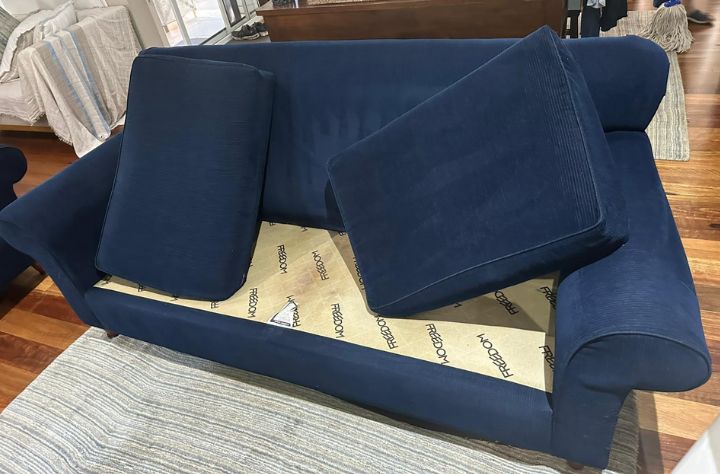
Steam cleaning is one of the most common and effective methods for cleaning upholstery. Despite its name, professional steam cleaning does not rely on steam alone. It combines hot water, cleaning solution, and powerful vacuum extraction to remove dirt and contaminants from fabric.
This article explains how steam cleaning works, what makes it effective, and what you need to know before having your upholstery steam cleaned.
What Steam Cleaning Actually Is
In the upholstery industry, steam cleaning is usually a hot water extraction process. The technician sprays a mixture of hot water and cleaning solution onto the fabric. The solution loosens dirt and stains. Then a powerful vacuum extracts the dirty water along with the dissolved contaminants.
True steam cleaning (using only vaporized water at high temperatures) is less common for upholstery because it can damage certain fabrics and does not provide the same level of soil removal.
The Steam Cleaning Process Step by Step
Step 1: Inspection
The technician examines the upholstery to identify the fabric type, the cleaning code, and any problem areas. This determines the appropriate cleaning solution and technique.
Step 2: Vacuuming
Loose dirt, dust, pet hair, and debris are removed with a vacuum. This step ensures that surface particles do not turn into mud when water is applied.
Step 3: Pre-Treatment
The technician applies a pre-treatment solution to the fabric. This spray helps break down oily soils and loosen embedded dirt. For specific stains, a targeted spotting agent may be applied at this stage.
Step 4: Agitation
Using a soft brush or agitation tool, the technician works the pre-treatment into the fabric. This helps the solution reach deep into the fibers where dirt is trapped.
Step 5: Hot Water Injection
The cleaning machine injects hot water mixed with cleaning solution into the fabric. The temperature typically ranges from 150 to 200 degrees Fahrenheit. The heat helps dissolve greasy soils and kills some bacteria and dust mites.
Step 6: Extraction
Immediately after injection, the machine's powerful vacuum pulls the dirty water back out. The extraction removes dissolved dirt, cleaning residue, and excess moisture.
Step 7: Grooming
The technician brushes the fabric fibers to restore their original texture. This also helps the fabric dry more evenly.
Step 8: Drying
The couch is left to dry. Professional extraction removes most of the moisture, so drying usually takes 2 to 6 hours depending on fabric type, humidity, and airflow.
Why Hot Water Extraction Is Effective
Heat, chemistry, and mechanical action work together during steam cleaning.
Heat. Hot water helps break down oily and greasy soils more effectively than cold water. It also helps kill dust mites and certain bacteria.
Chemistry. The cleaning solution contains surfactants that surround dirt particles and lift them away from the fabric. Different solutions are formulated for different fabric types and soil conditions.
Mechanical action. The pressure of the water injection and the agitation step loosen dirt from the fibers. The vacuum extraction pulls it away so it does not resettle.
Extraction. Strong suction is the most important factor. The machine must remove both the cleaning solution and the dissolved dirt. Weak extraction leaves residue behind, which makes fabric dry slowly and attract dirt faster.
Differences Between Professional and Consumer Steam Cleaning
Professional steam cleaning machines differ significantly from consumer-grade machines.
| Feature | Professional Machine | Consumer Machine |
|---|---|---|
| Water temperature | Heated to 200+ degrees | Limited heating or no heating |
| Pressure | High (50-100 PSI) | Low |
| Suction power | Strong industrial vacuum | Moderate vacuum |
| Water recovery | Removes most moisture | Leaves significant moisture |
| Drying time | 2 to 6 hours | 12 to 24 hours or more |
| Durability | Designed for daily commercial use | Designed for occasional home use |
Is Steam Cleaning Safe for All Upholstery?
Steam cleaning is not suitable for all fabric types. The safety depends on the fabric's cleaning code.
- W code fabrics (water safe) can be steam cleaned safely.
- WS code fabrics (water or solvent safe) are also suitable for steam cleaning.
- S code fabrics (solvent only) should not be steam cleaned. Water and heat can cause shrinkage, color bleeding, or damage.
- X code fabrics (vacuum only) should never be wet cleaned. Only vacuuming is recommended.
A professional technician will check your fabric code before proceeding. If the tag is missing, they will test an inconspicuous area to determine fabric compatibility.
Benefits of Steam Cleaning Upholstery
- Deep cleaning. Hot water extraction reaches dirt that surface cleaning cannot. It cleans through the entire depth of the fabric.
- Allergen reduction. The combination of heat and extraction reduces dust mites, pet dander, pollen, and other allergens.
- Odor removal. Odor-causing bacteria and organic matter are physically removed rather than masked.
- Residue-free results. Professional extraction removes most of the cleaning solution, leaving fabric clean and less likely to attract new dirt.
- Fabric protection. Removing abrasive dirt particles reduces fiber wear and extends fabric life.
Situations Where Steam Cleaning Is Especially Useful
- Sofas with heavy or long-term soiling.
- Households with allergy sufferers.
- Homes with pets, especially for removing pet odors.
- Before selling a home or moving.
- After a long period without cleaning.
- As part of regular annual maintenance.
Limitations and Precautions
Delicate fabrics. Silk, rayon, and some blends may not tolerate hot water extraction. Solvent cleaning or dry cleaning may be required.
Overwetting risk. If the technician uses too much water or does not extract thoroughly, moisture can soak into cushion foam and cause mold or mildew.
Drying time. Even with professional extraction, some fabrics take longer to dry. Plan to avoid using the couch for several hours after cleaning.
Colorfastness. Some fabrics may bleed color when wet. A professional should perform a colorfastness test before cleaning.
How to Prepare for Steam Cleaning
- Vacuum the couch to remove loose debris.
- Remove cushions and any loose items.
- Point out specific stains or problem areas to the technician.
- Clear the area around the couch.
- Plan for the couch to be unavailable for a few hours after cleaning.
After Steam Cleaning Care
- Allow the couch to dry completely before sitting on it.
- Keep pets and children off the couch until dry.
- Open windows or use fans to speed drying.
- Do not cover the couch with throws or blankets until dry.
- Vacuum regularly after cleaning to maintain results.
Frequently Asked Questions
Does steam cleaning shrink upholstery?
Steam cleaning should not shrink properly constructed upholstery when performed correctly. Shrinkage can occur with certain natural fibers or if excessive water and heat are used. A professional will adjust the method to suit the fabric.
Can steam cleaning remove old stains?
Steam cleaning improves the appearance of many old stains, but results depend on the stain type, fabric, how long the stain has been present, and previous treatments. Some stains may lighten but not disappear completely.
How often should upholstery be steam cleaned?
For most households, annual steam cleaning is sufficient. Homes with pets, children, or allergy sufferers may benefit from cleaning every six months.
Is steam cleaning the same as shampooing?
No. Shampooing uses foam or soap that is scrubbed into the fabric and then vacuumed. It leaves more residue behind. Steam cleaning (hot water extraction) injects and extracts water, leaving less residue.
Will steam cleaning make my couch wet?
The couch will be damp after cleaning, not soaking wet. Professional extraction removes most of the moisture. The fabric should feel slightly damp and dry within a few hours.
Conclusion
Steam cleaning using hot water extraction is an effective method for deep cleaning upholstery. It removes embedded dirt, allergens, and odors that surface cleaning cannot address. The process combines heat, cleaning chemistry, and strong extraction to deliver thorough results.
When performed by a trained professional using the right technique for your fabric type, steam cleaning is safe and extends the life of your upholstery. Understanding how the process works helps you set realistic expectations and get the best results from your cleaning appointment.