
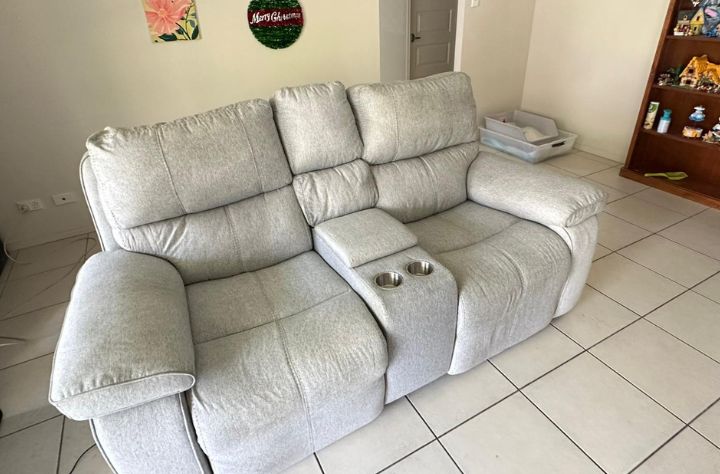
Your sofa sees daily use, but how often does it actually get cleaned? Many people wait until a stain appears or a smell develops before thinking about cleaning. By that time, dirt and allergens have already built up deep inside the fabric.
Understanding the right cleaning schedule for your sofa helps maintain its appearance, extends its lifespan, and keeps your home healthier.
Everyday Maintenance
Regular maintenance is the foundation of sofa care. These small habits prevent dirt from accumulating and reduce the need for deep cleaning.
Vacuum weekly. Use an upholstery attachment to vacuum the seats, backrest, armrests, and crevices. This removes dust, crumbs, pet hair, and surface dirt before it works into the fibers.
Fluff and rotate cushions. Rotating and flipping cushions every week helps them wear evenly. This prevents sagging and keeps your sofa looking its best.
Blot spills immediately. When a spill happens, blot it with a clean cloth. Do not rub, as rubbing pushes the liquid deeper into the fabric. Blotting from the edges toward the center prevents the spill from spreading.
When to Vacuum More Often
Some households need more frequent vacuuming.
- Homes with pets should vacuum sofas two to three times per week. Pet hair, dander, and outdoor debris brought in on paws settle into upholstery quickly.
- Homes with children may need vacuuming twice per week. Crumbs, sticky residue, and dirt from playtime end up on the sofa.
- Allergy sufferers benefit from vacuuming every two to three days to keep dust mites and allergens under control.
Deep Cleaning Frequency
Deep cleaning goes beyond vacuuming. It removes embedded dirt, oils, and contaminants that build up over time.
General Recommendation
For most households, a deep clean every 12 months is a good baseline. This timing aligns with a yearly refresh and helps maintain fabric condition.
Factors That Change the Schedule
Several factors may require more frequent deep cleaning.
Pets. If your pets sleep or sit on the sofa, deep clean every three to six months. Pet dander, oils, and occasional accidents create buildup that regular vacuuming cannot handle.
Children. Families with young children should deep clean every six to 12 months. Spills, food crumbs, and general wear happen more often.
Allergies or respiratory conditions. Deep cleaning every three to six months reduces allergens trapped in the fabric.
Frequent use. A sofa in a busy living room that is used daily may need deep cleaning every six months. A formal living room sofa used only occasionally may need cleaning only every 18 to 24 months.
Smoking indoors. If anyone smokes near the sofa, deep clean every three to six months. Smoke residue embeds in fabric and causes persistent odors.
Signs Your Sofa Needs Cleaning Sooner
Even if you follow a schedule, watch for these signs that cleaning is needed earlier.
- Visible dirt or darkening on armrests and seat cushions.
- Lingering odors that do not go away with airing out.
- Stains that become more noticeable over time.
- Sneezing or congestion when sitting on the sofa.
- Fabric feels greasy or sticky to the touch.
- Dust visible when you tap the cushions.
Seasonal Cleaning Tips
Many people find it helpful to clean their sofa with the changing seasons.
Spring. A spring deep clean removes dust and allergens that accumulated during winter when windows were closed.
Fall. Fall cleaning prepares the sofa for heavier indoor use during colder months.
Professional Cleaning vs DIY Deep Cleaning
Deep cleaning can be done yourself or by a professional. Each approach has its place.
DIY Deep Cleaning
Home machines are available for rent or purchase. They work well for light to moderate soiling and routine maintenance cleaning.
What DIY cleaning handles well:
- Surface dirt and light stains.
- Freshening fabric between professional cleanings.
- Smaller pieces or cushions.
Limitations of DIY:
- Consumer machines have weaker suction than professional equipment.
- More water is left in the fabric, leading to longer drying times.
- Improper use can cause overwetting, mildew, or fabric damage.
- Store-bought cleaning solutions may leave residue that attracts more dirt.
Professional Deep Cleaning
Professional cleaners use industrial-grade machines with stronger extraction. They also have training to identify fabric types and select the appropriate cleaning method.
When professional cleaning makes sense:
- Heavy soiling or deep-set stains.
- Fabric types that require specific handling.
- Pet odors that have soaked into padding.
- Annual deep cleaning for high-use sofas.
- Before selling a home or moving.
Fabric Type and Cleaning Frequency
Your sofa's fabric also affects how often it needs cleaning.
| Fabric Type | Characteristics | Cleaning Notes |
|---|---|---|
| Cotton | Breathable, absorbs spills easily | Clean more frequently, may shrink with excess moisture |
| Polyester | Durable, stain resistant | Longer intervals between deep cleaning |
| Microfiber | Resists stains, easy to maintain | Vacuum often, deep clean less frequently |
| Leather | Does not trap dust, easy to wipe | Wipe down monthly, condition every 6 to 12 months |
| Linen | Natural fiber, shows dirt easily | Requires gentle cleaning, professional recommended |
| Velvet | Delicate, shows marks | Professional cleaning preferred |
How to Build a Sofa Cleaning Schedule
A practical schedule helps you stay consistent without overthinking it.
Weekly (5 to 10 minutes):
- Vacuum all surfaces with upholstery attachment.
- Fluff and rotate cushions.
- Blot any new spills immediately.
Monthly (15 minutes):
- Remove cushions and vacuum underneath.
- Check for loose change, crumbs, and debris in crevices.
- Spot clean any visible marks with an appropriate cleaner.
Every 3 to 6 months:
- Deep clean if you have pets, allergies, or heavy use.
- Consider professional cleaning.
Every 12 months:
- Schedule a professional deep clean as a baseline.
Common Mistakes That Shorten Sofa Life
Avoid these cleaning mistakes to keep your sofa in good condition.
Waiting too long between cleanings. Dirt acts like sandpaper on fabric fibers. The longer it sits, the more wear it causes.
Overcleaning. Cleaning too often with harsh products can strip fabric finishes and cause premature wear.
Using the wrong products. All-purpose cleaners, bleach, or carpet shampoo can discolor or damage upholstery. Always check the manufacturer's cleaning code.
Skipping professional cleaning entirely. Home methods alone cannot match the extraction power of professional equipment. Over time, residue builds up and makes fabric look dull.
Frequently Asked Questions
Can I wait until my sofa looks dirty to clean it?
Visible dirt is a late sign. By the time soiling is noticeable, significant buildup has already occurred inside the fabric. Sticking to a regular schedule prevents this.
Does cleaning my sofa more often wear it out faster?
No. Proper cleaning with appropriate methods removes abrasive dirt that causes wear. The friction from dirty fabric is more damaging than regular cleaning.
Should I clean a new sofa before using it?
You do not need to clean a new sofa immediately. However, vacuuming it to remove manufacturing dust and any off-gassing particles can be helpful.
How do I know if my sofa needs professional cleaning?
If vacuuming no longer improves the appearance, if odors persist, or if stains have set in, professional cleaning is likely needed.
Conclusion
How often you should clean your sofa depends on your household, fabric type, and usage patterns. A baseline of weekly vacuuming with annual professional deep cleaning works for most homes. Adjust based on pets, children, allergies, and visible signs of dirt.
Consistent care keeps your sofa looking better and lasting longer. The small effort of regular maintenance saves you from the cost and inconvenience of premature replacement.