
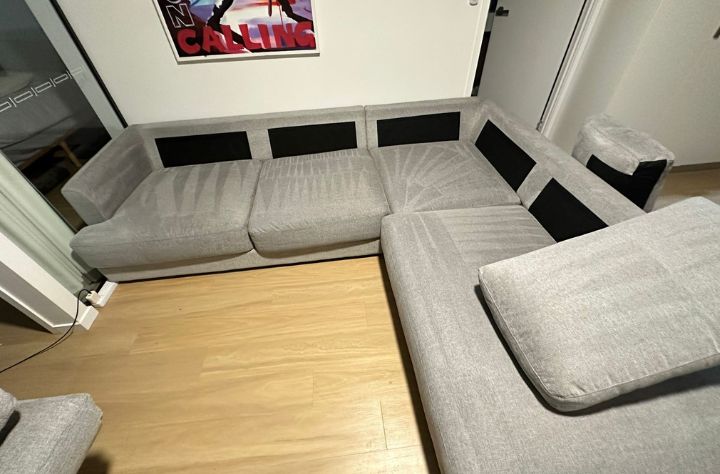
Your couch may look fine at first glance, but appearances can be misleading. Dirt, allergens, and bacteria accumulate gradually, often without obvious signs until the problem has progressed.
Recognizing the early signs that your couch needs deep cleaning helps you address buildup before it causes permanent damage or affects your indoor air quality.
Visible Signs
Darkening on High-Contact Areas
Look at the armrests, headrest area, and the front edge of the seat cushions. These areas receive the most contact with skin, hair, and clothing. Over time, body oils, sweat, and dirt cause these spots to darken compared to the rest of the couch.
If you notice a color difference between high-contact areas and the rest of the fabric, deep cleaning is overdue.
Visible Stains
Stains that were once faint may become more noticeable as they set and attract more dirt. Even if you cleaned a spill when it happened, residue may remain and darken over time.
Dust and Debris in Crevices
Check the seams, crevices, and underneath the cushions. Crumbs, pet hair, dust bunnies, and debris accumulate in these areas. If you find significant buildup, the fabric itself likely contains embedded dirt as well.
Fabric Discoloration
General dullness or uneven coloring across the couch surface is a sign that dirt and oils have built up. Fresh fabric has a vibrant appearance. When it looks flat or grayish, cleaning is needed.
Touch and Smell Signs
Greasy or Sticky Texture
Run your hand across the armrest or seat. If the fabric feels greasy, sticky, or rough instead of soft and clean, body oils and dirt have accumulated.
Lingering Odors
A couch that smells musty, sour, or like pet odors even after airing out likely has contaminants embedded in the fabric and padding. Surface cleaning cannot address smells that originate from deep within.
Dust When You Tap the Cushions
Give a cushion a firm tap. If you see dust particles floating in the air, your couch is releasing trapped dirt each time someone sits down.
Health-Related Signs
Allergy Symptoms When Using the Couch
If you or your family members experience sneezing, stuffy nose, itchy eyes, or coughing while sitting on the couch, dust mites and allergens may be present. These symptoms often improve after deep cleaning.
Unexplained Skin Irritation
Dirt, bacteria, and cleaning product residue trapped in fabric can cause skin irritation in some people. If you notice itching or redness after sitting on the couch, deep cleaning may help.
Musty Smell That Indicates Mold
A musty or damp smell suggests moisture is trapped somewhere in the couch. This could be from spills that soaked through, high humidity, or previous cleaning that did not dry fully. Mold can grow in these conditions and may require professional treatment.
Behavioral Signs
Pets Spend Less Time on the Couch
If your pet suddenly avoids the couch or seems reluctant to lie on it, there may be odors or residues that you cannot smell but they can. Pets have a much stronger sense of smell than humans.
Family Members Avoid the Couch
If people in your household choose other seating over the couch, they may be reacting to an odor, texture, or appearance issue that has developed gradually.
Time-Based Indicators
Even without visible signs, time alone can indicate that deep cleaning is needed.
- It has been more than 12 months since the last deep cleaning.
- The couch is used daily.
- The couch has never been professionally cleaned.
- You have recently moved into a home with a pre-owned couch.
Deep Cleaning Triggers by Household Type
| Household Type | Common Signs |
|---|---|
| Pet owners | Pet hair embedded in fabric, pet odors, visible dander |
| Families with children | Food stains, sticky spots, crumbs in crevices, mystery smells |
| Allergy sufferers | Worsening symptoms when sitting on couch, dust clouds when sitting |
| Smokers | Yellowish tint on light fabric, smoke smell embedded in fabric |
| High-traffic homes | Visible wear patterns, fabric darkening, general dullness |
| Rental properties | Unknown history, stains from previous occupants, lingering odors |
What Happens If You Delay Deep Cleaning
Postponing deep cleaning allows dirt to cause progressive damage.
Fabric wear accelerates. Abrasive particles grind against fibers as people sit and move. This causes thinning, fraying, and pilling.
Stains become permanent. The longer a stain sits, the deeper it penetrates. Some stains may become impossible to remove after repeated exposure to heat or sunlight.
Odors set in. Odor-causing bacteria multiply over time. What starts as a faint smell can become a persistent problem that requires more intensive treatment.
Allergen levels rise. Dust mites, pet dander, and pollen accumulate. Higher concentrations can trigger more frequent or severe allergic reactions.
Resale value drops. A well-maintained couch holds its value. A couch with visible stains, odors, or worn fabric is difficult to sell or donate.
How Deep Cleaning Addresses Each Sign
| Sign | How Deep Cleaning Helps |
|---|---|
| Darkened fabric | Removes body oils and embedded dirt, restores original color |
| Visible stains | Professional spotting agents target specific stain types |
| Musty odors | Extracts bacteria and contaminants causing smells |
| Dust and allergens | Hot water extraction removes microscopic particles |
| Greasy texture | Cleaning solutions break down oil residue |
| General dullness | Restores fabric appearance and softness |
When Cleaning May Not Be Enough
Deep cleaning is effective for most situations, but some problems require additional action.
- Fabric that is frayed, torn, or heavily worn may need repair or reupholstery.
- Mold inside cushion foam may require foam replacement.
- Pet urine that has soaked into the padding may need professional treatment or replacement of affected cushions.
- Odors from smoke damage may require multiple cleanings or professional ozone treatment.
Frequently Asked Questions
Can a couch look clean but still need deep cleaning?
Yes. Dirt and allergens can be trapped below the surface even when the fabric appears clean. If you notice any of the signs mentioned in this article, deep cleaning is likely needed.
How do I know if my couch needs professional cleaning or just a surface clean?
Light freshening with a vacuum and spot treatment works for minor maintenance. If you notice odors, darkening, texture changes, or allergy symptoms, professional deep cleaning is the better option.
Is it worth cleaning an old couch?
It depends on the couch's condition. If the frame is solid and the fabric is intact, deep cleaning can restore its appearance and extend its useful life. If the couch already has significant wear or damage, replacement may be more practical.
Conclusion
Your couch gives clear signals when it needs attention. Visible darkening, lingering odors, changes in texture, and health symptoms all indicate that deep cleaning is necessary.
Paying attention to these signs and acting promptly helps maintain your couch's appearance, keeps your home healthier, and avoids the cost of premature replacement. If you notice any of these signs, schedule a deep cleaning sooner rather than later.